As the name implies, renewable asphalt refers to a new type of asphalt material obtained by recycling and recycling waste asphalt materials. The following is a detailed explanation of the renewable asphalt.
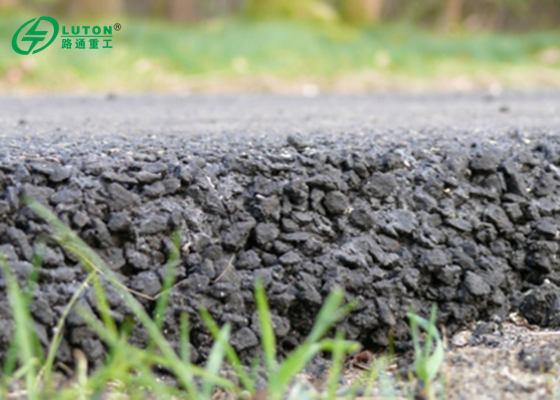
Definition and Source
Renewable asphalt is mainly obtained by collecting, screening, heating and other treatment of waste asphalt pavement and waterproof materials, and then adding a certain amount of regenerant ( such as corn oil, lubricating oil, etc. ) for regeneration treatment. This regenerative treatment process is actually the reverse process of aging asphalt, aiming to restore or approximate its original properties. Land on https://lutonmachinery.com/ for more informations about asphalt production methods.
Performance Characteristics
- Similar Performance Indicators
Recycled asphalt has similar performance indicators to the original asphalt (such as asphalt No.10), so it can be as a substitute for the original asphalt.
- Improved Compatibility
After adding regenerant, the relative content of asphalt of renewable asphalt is reduced, and the solubility of soft asphalt to asphaltene is increased, thus improving the compatibility of asphalt.
- Improve Physical Properties
Regenerant can also improve the penetration and ductility of asphalt, so that it can restore or close to the original physical properties.
Application Occasions Of Renewable Asphalt
Because of its excellent performance and environmental protection characteristics, renewable asphalt has been widely used in many fields:
Renewable asphalt can be used in the construction, reconstruction and maintenance of roads, replacing the original asphalt for laying or repairing.
- Buildings Such As Parking Lots
In the construction and maintenance of buildings such as parking lots, renewable asphalt can also play an important role.
Environmental Protection And Economic Significance
- Resource Conservation
The use of renewable asphalt reduces the use of new asphalt, realizeds the recycling of resources, and helps to relive the pressure on resources.
- Cost Reduction
Compared to raw asphalt, the price of renewable asphalt is usually lower, helping to reduce construction costs.
- Reduce Pollution
Environmental pollution caused by landfill or incineration is reduced by recycling waste asphalt materials.
In summary, renewable asphalt is a new asphalt material with excellent performance and environmental protection characteristics. It has a wide application prospect in the construction and maintenance of roads, parking lots and other construction fields, and it is also of great significance for saving resources, reducing costs and reducing pollution. With the improvement of environmental awareness and the continuous progress of technology, the application of renewable asphalt will be more and more extensive.