Requirement Of Various Large-scale Concrete Equipment For The Construction Site
In the fields of construction and engineering, large-scale concrete equipment is an essential tool. These devices can efficiently complete the mixing, transportation, and pouring of concrete, thereby accelerating construction progress and improving project quality. However, these devices have certain requirements for the site to ensure their normal operation and safety. This article will introduce the requirements of various large-scale concrete equipment for the site.
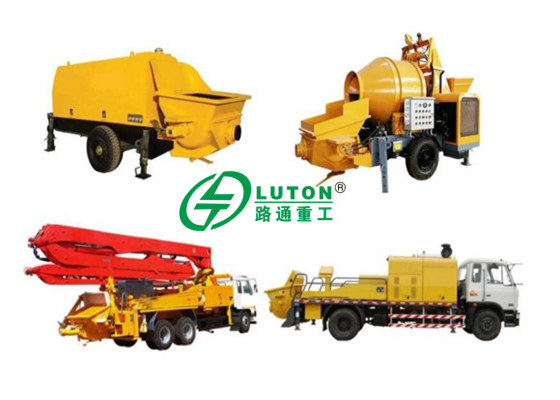
Concrete Mixing Plant
The concrete mixing plant is the core equipment of concrete production, which requires a flat and spacious site to place various components and raw materials. In addition, the mixing plant also requires a solid ground to support its weight and reduce the potential damage caused by vibration and movement.
Site Size
Depending on production capacity and model, the floor area of the concrete mixing plant cna range from thousands of square meters to tens of thousands of square meters. In order to meet the needs of production and transportation, the site should be spacious enough and there should be appropriate space around for equipment and vehicles to move.
Ground Hardness
In order to ensure the stability of the mixing plant and reduce damage to the ground, hard materials such as concrete or steel plates should be used for the ground. Hard ground can withstand the weight of mixing plants and vehicles, and reduce the risk of vibration and sinking.
Foundation Depth
The depth of the foundation depends on the weight of the mixing plant and the load capacity of the ground. Generally speaking, the depth of the foundation should be between 0.5m and 1.5m to ensure that the ground has sufficient bearing capacity. Meanwhile, the foundation should be leveled and compacted to prevent tilting or sinking during equipment operation.
Concrete Pump Truck
Concrete pump trucks are mainly used to transport concrete to high places or difficult to reach work areas. To ensure the normal operation and stability of the pump truck, the site also needs to meet certain requirements.
Site size
The operating range of pump trucks is usually wide, so a relatively open area is needed for movement and operation. The site should be spacious enough for the pump truck to move freely and deploy its boom. In addition, consideration should be given to the space for other equipment and personnel movement on the job site.
Ground Hardness
Similar to mixing plants, concrete pump trucks also require a hard ground to support their weight and reduce damage to the ground. Hard ground can withstand the weight of the pump truck and the impact force of the boom, while reducing the risk of vibration and sinking.
Foundation Depth
The depth of the foundation also depends on the weight of the pump truck and the load capacity of the ground. Generally speaking, the depth of the foundation should be between 0.3 meters and 0.8 meters to ensure that the ground has sufficient bearing capacity. At the same time, the foundation should be leveled and compacted to prevent the pump truck from tilting or sinking during operation.
Concrete Transport Vehicle
Concrete transport vehicles are mainly used to transport concrete from the mixing plant to construction sites. These vehicles usually need to be driven on the road, so the requirements for the site are relatively low. However, during transportation, in order to ensure the quality and safety of concrete, the site also needs to meet certain requirements.
Site Leveling
During the transportation of concrete, the site should be kept flat without large pits, slopes, or obstacles. Uneven ground may cause vehicle bumps, thereby affecting the quality and safety of concrete. Therefore, flat, spacious, and obstacle free roads should be chosen for transportation.
Ground Hardness
Transport vehicles need a relatively flat and hard road surface to travel on. Hard road surface can reduce vehicle damage to the road surface and ensure smoothness during transportation. Try to avoid driving on soft soil, sand, or muddy roads to avoid affecting the quality of concrete and the safety of vehicles.
Safety Measures
In order to ensure safety during transportation, safety warning signs and fences should be set up around the site. In addition, it is necessary to maintain a safe distance related to transport vehicles and comply with traffic rules and road safety standards.
In summary, the requirements of large-scale concrete equipment for the site mainly include the size of the site, ground hardness, and foundation depth. When selecting a suitable venue, full consideration should be given to the operational requirements and safety performance of the equipment to ensure stable operation and improve production efficiency. At the same time, attention should be paid to the maintenance and management of the venue. (More details about construction machinery are on lutonmachinery.com)